





Pest on foot: the Basilica, the Parliament and the Great Synagogue, and which ticket each one needs
How to visit St Stephen's Basilica, the Hungarian Parliament and the Dohány Street Synagogue in one walk through Pest: what each ticket covers, which visit must be booked for a fixed time, and what is free between them.

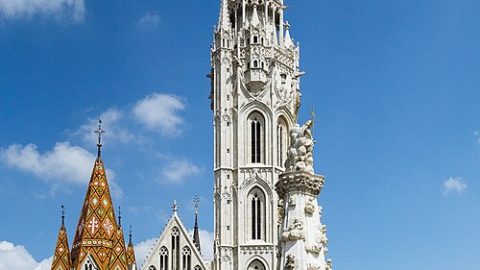
On a January day in 1868 the dome of the great church that Pest had been building for seventeen years fell in. The first architect, József Hild, had died the year before. His successor, Miklós Ybl, had found cracks in the walls and stopped the work, and nobody was hurt. Ybl pulled down much of what stood and started again to a new design. He too died before the end, and St Stephen's Basilica was finished only in 1905, more than half a century after it was begun.
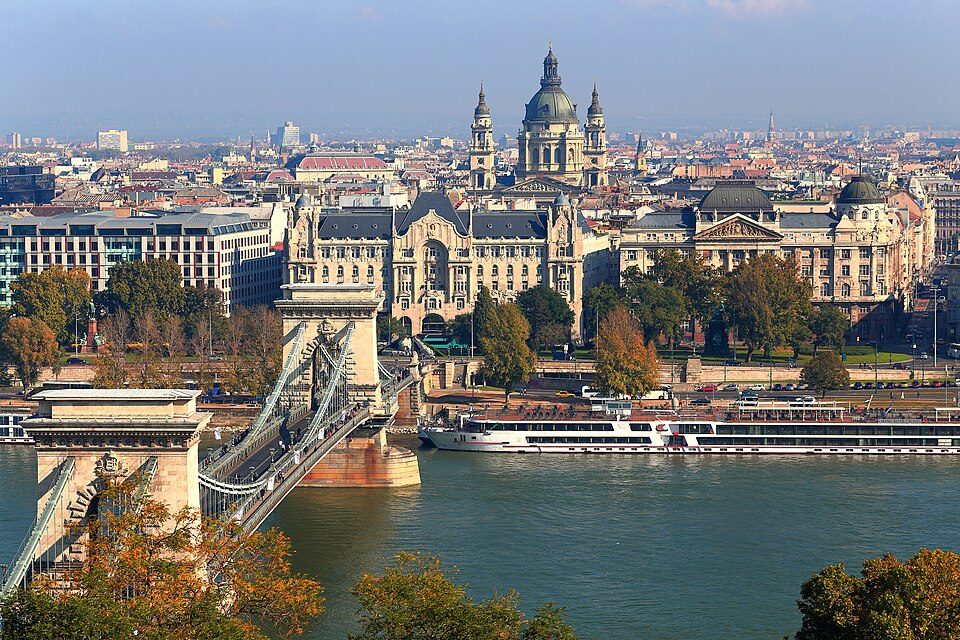
Its dome is 96 metres high. So is the dome of the Parliament, a quarter of an hour away on the river. The number is deliberate: it recalls 896, the year from which Hungarians date their arrival in the country, and no building in the centre was to rise higher. Add the Great Synagogue in Dohány Street and you have the three great buildings of Pest, all within a half-hour walk. Each lets visitors in by a different system, and only one of them can be left to chance.
The Basilica: three things behind one name
The square in front is free, and so is the outside. To go in as a visitor you need a ticket, and there are three kinds:
- the church, meaning the main hall under the dome;
- the panoramic terrace and the treasury, which are reached separately, by lift for most of the way or by a long staircase;
- a combined ticket for all of it.
The ticket office is not at the church door. It is in a building on the square, and vouchers bought elsewhere are exchanged there too, so look for it first.
Inside, the thing people come for is in a chapel to the left of the high altar: the Holy Right, the mummified right hand of King Stephen, who founded the Hungarian state and died in 1038. The terrace runs around the outside of the dome.
The church is used for worship. On Sunday mornings it is given over to mass and visits begin after midday, and on Saturdays weddings can close the main hall for a while.

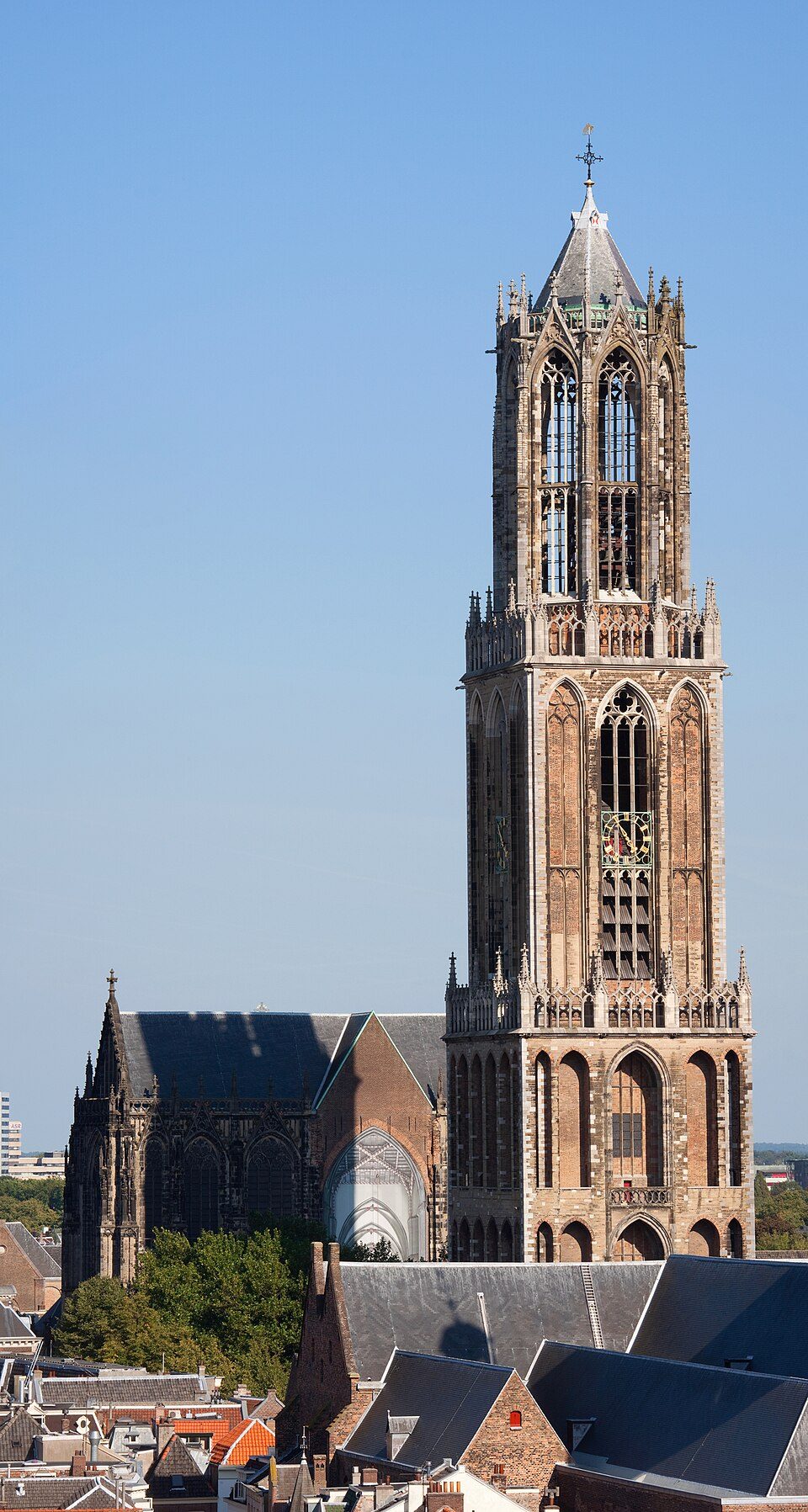
The dome of the basilica from below. The first one fell in while it was being built. Photo: Jules Verne Times Two, via Wikimedia Commons, CC BY-SA 4.0.
The Parliament: only with a tour, at a fixed time
The Parliament was built between 1885 and 1904 to the designs of Imre Steindl. It is 268 metres long and has 691 rooms, and you cannot walk into it. Visitors go round on a tour of about 45 minutes, in a group, at the time printed on the ticket, with a guide or an audio guide in the language chosen when booking.
The tour starts from the visitor centre, which is underground at the northern end of the building. It takes in the main staircase, the hall under the dome, where the Holy Crown of Hungary is kept under guard, and the chamber of the former upper house.
- Tickets are for a slot and a language, and in season the good ones are gone days ahead. This is the visit to book first, and to plan the rest of the day around.
- Citizens of the European Economic Area are charged a lower rate than other visitors and have to show a document.
- There is a security check, as at an airport.
- Tours are cancelled or cut short when the building is needed for sittings or state events.
Our partner does not sell the Parliament tour. Its audio walks describe the building from outside.

The Parliament from Kossuth Square. The square is free; the inside is seen only on a timed tour. Photo: A.Donaire2005, via Wikimedia Commons, CC BY 4.0.
The Great Synagogue in Dohány Street
The synagogue was built between 1854 and 1859 to the designs of the Viennese architect Ludwig Förster, in a Moorish style, with two onion-domed towers. It seats about three thousand people and is the largest synagogue in Europe.
One ticket covers the whole enclosure: the synagogue, the Hungarian Jewish Museum beside it, the Heroes' Temple, the garden, and the memorial park behind. The garden is a cemetery, which is unusual beside a synagogue. In the winter of 1944 to 1945 this was the edge of the Budapest ghetto, and more than two thousand of the people who died there were buried in the courtyard. In the park stands a weeping willow of metal by the sculptor Imre Varga, with the names of victims on its leaves.
The synagogue is closed to visitors on Saturdays and on Jewish holidays, and it closes early on Fridays. Men are asked to cover their heads (a paper kippah is handed out), shoulders and knees should be covered, and bags are checked at the gate.

Inside the Dohány Street Synagogue, with its two tiers of galleries. Photo: Suicasmo, via Wikimedia Commons, CC BY-SA 4.0.
What is free along the way
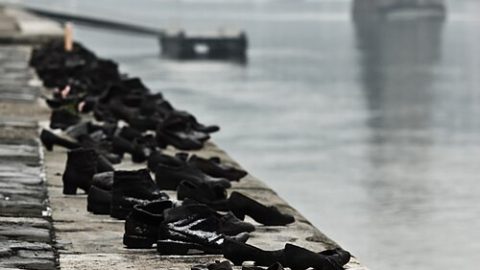
Kossuth Square, around the Parliament, is open to everyone. A few minutes south along the embankment are the Shoes on the Danube Bank: sixty pairs of iron shoes at the water's edge, placed in 2005 in memory of the people shot into the river by Arrow Cross militiamen in 1944 and 1945. From there Liberty Square and the streets of the fifth district lead to the Basilica in ten minutes.

The Shoes on the Danube Bank, a few minutes south of the Parliament. Photo: Marek Mróz, via Wikimedia Commons, CC BY-SA 4.0.
The walk, in order
Take the Parliament slot first, in the morning. Walk south to the Shoes, cut inland through Liberty Square to the Basilica, then go on past Deák Ferenc Square to Dohány Street. The whole line is about two and a half kilometres. With the three visits it fills a long half day. On a Saturday, leave out the synagogue or see it another day. On a Sunday, put the Basilica in the afternoon.
Reading the partner's listings
- The Basilica ticket with a city walk audio tour lets you choose between the church ticket and the one for church, dome and treasury. The audio is a walk through the city afterwards. It does not cover the inside of the church.
- The Basilica entry with an organ concert adds a meeting with the organist and a short concert, at a set time. The voucher is exchanged at the ticket office on the square, so come early.
- The Dohány Synagogue ticket with a sightseeing audio tour is the entrance ticket plus an audio walk through the city. Again, there is no commentary inside.
- The audio walks (Jewish heritage, the landmarks of Pest, the Pest heritage trail) are commentary only, in the partner's app. They pass all three buildings and enter none. Bring earphones.
These are the tickets and audio walks our partner sells for this part of Budapest, with today's prices:
-
 on WeGoTrip
Museum & Attraction Tickets St. Stephen's Basilica: Entry Ticket + Grand Organ Concert
Book on WeGoTripfrom24,403 Ft
-
 on WeGoTrip
Museum Tickets & Passes Budapest: St. Stephen's Basilica Ticket & City Walk Audio Tour
Book on WeGoTripfrom5,806 Ft
-
 on WeGoTrip
Sightseeing Tickets Budapest: Self-Guided Audio Tour Through Jewish Heritage
Book on WeGoTripfrom3,670 Ft
-
 on WeGoTrip
Attraction Tickets Budapest: Dohany Synagogue Ticket & Sightseeing Audio Tour
Book on WeGoTripfrom18,974 Ft
-
 on WeGoTrip
History & Heritage Budapest: Pest Heritage Trail Audio Tour
Book on WeGoTripfrom3,670 Ft
-
 on WeGoTrip
Sightseeing Tickets Budapest: Self-Guided Audio Walk Through Grand Pest Landmarks
Book on WeGoTripfrom3,670 Ft
Sold and delivered by WeGoTrip. You book on their site at their price; Viaqui may earn a commission, at no extra cost to you.
Hours change with the season and with services: the current ones are on our page for St Stephen's Basilica.
From here
Andrássy Avenue starts behind the Basilica and runs straight to Heroes' Square, past the Opera and the House of Terror. At its far end, in the City Park, is the Széchenyi Thermal Bath. See what else there is in Budapest, or open the trip planner for Hungary.
Cover photo: P. Hughes, via Wikimedia Commons, CC BY 4.0.
Frequently asked questions
Is St Stephen's Basilica in Budapest free to enter?
The square and the outside are free. To go in as a visitor you need a ticket: one for the church, one for the panoramic terrace and treasury, or a combined one. The ticket office is in a building on the square.
How do you visit the Hungarian Parliament?
Only on a tour of about 45 minutes, in a group, at the time on your ticket, starting from the visitor centre at the northern end of the building. Book the slot ahead, because in season they sell out days in advance.
What does the Dohány Street Synagogue ticket include?
The synagogue, the Hungarian Jewish Museum, the Heroes' Temple, the garden cemetery and the memorial park with the metal weeping willow.
Is the Dohány Street Synagogue open on Saturdays?
No. It is closed to visitors on Saturdays and on Jewish holidays, and it closes early on Fridays.
Can you see the Basilica, the Parliament and the Synagogue in one day?
Yes. They lie on a line of about two and a half kilometres. Book the Parliament tour for the morning, then walk to the Basilica and on to the synagogue, which together fill a long half day.