







Archaeological sites · Plovdiv
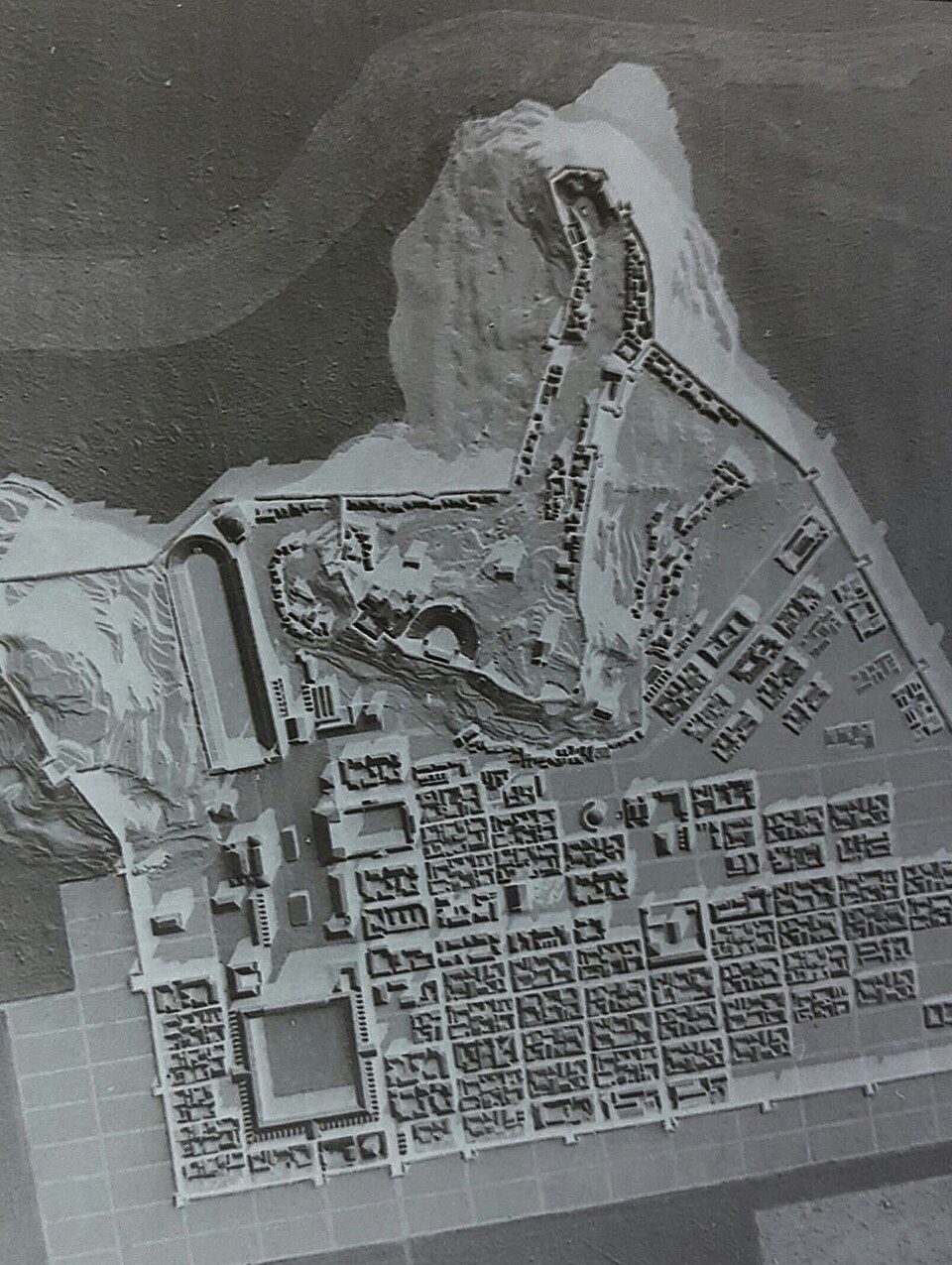
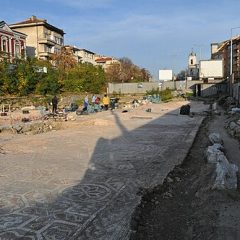
Philippopolis, Thrace
Филипопол
ancient city, modern Plovdiv
- TypeArchaeological sites
- WherePlovdiv, Bulgaria
Photo: Realsteel007 · CC BY-SA 4.0 · Wikimedia Commons
About
About Philippopolis, Thrace
Plovdiv (Bulgarian: Пловдив, pronounced [ˈpɫɔvdif]) is the second-largest city in Bulgaria and the most populous city in the Bulgarian part of the historic region of Thrace, located 144 km (93 miles) southeast of the capital Sofia. It is considered the oldest European continually inhabited city, having been inhabited since c. 6,000 BCE.
It had a population of 329,489 as of 2024 and 540,000 in its greater metropolitan area. An important economic, transport, cultural, and educational hub of Bulgaria, Plovdiv was the European Capital of Culture in 2019, and joined the UNESCO Global Network of Learning Cities in 2016. Plovdiv is in a fertile region of south-central Bulgaria on the two banks of the Maritsa River.
The city has historically developed on seven syenite hills, some of which are 250 metres (820 feet) high. Because of these hills, Plovdiv is often referred to in Bulgaria as "The City of the Seven Hills". There is evidence of habitation in the area dating back to the 6th millennium BC, when the first Neolithic settlements were established.
The city was subsequently a Thracian settlement named Pulpudeva, later being conquered and ruled also by Persians, Ancient Macedonians, Celts, Romans, Byzantines, Goths, Huns, Bulgarians, Thraco-Romans, Bulgars, Slavic tribes, Crusaders, and Ottoman Turks.
Text from Wikipedia, available under CC BY-SA 4.0.
Good to know
- Official website
- visitplovdiv.bg
In Plovdiv
More to see here



Philippopolis, Thrace
1 / 1